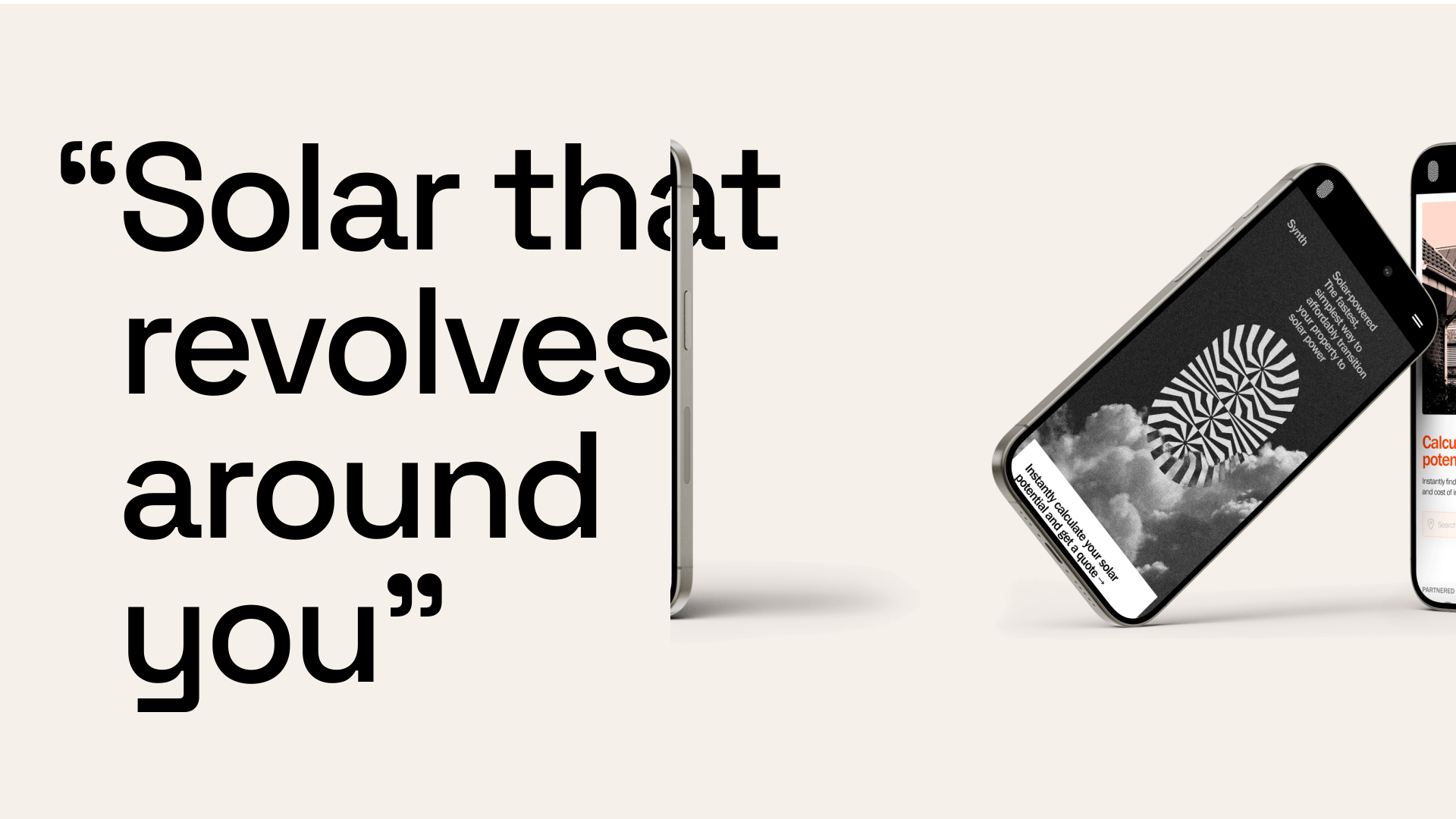
We started from one strong belief: that sustainable energy is more than just technology — it’s the key to a brighter, cleaner future for all. At synth.solar, innovation meets purpose to empower individuals and businesses to harness the sun’s power with ease and efficiency. Our mission was to design a digital experience that reflects this commitment — combining sleek visuals with user-friendly functionality to make solar energy accessible, inspiring, and impactful.
Client
Synth Solar
DELIVERABLES
UX Design Graphic Design
Year
2025
Role
UX DESIGN
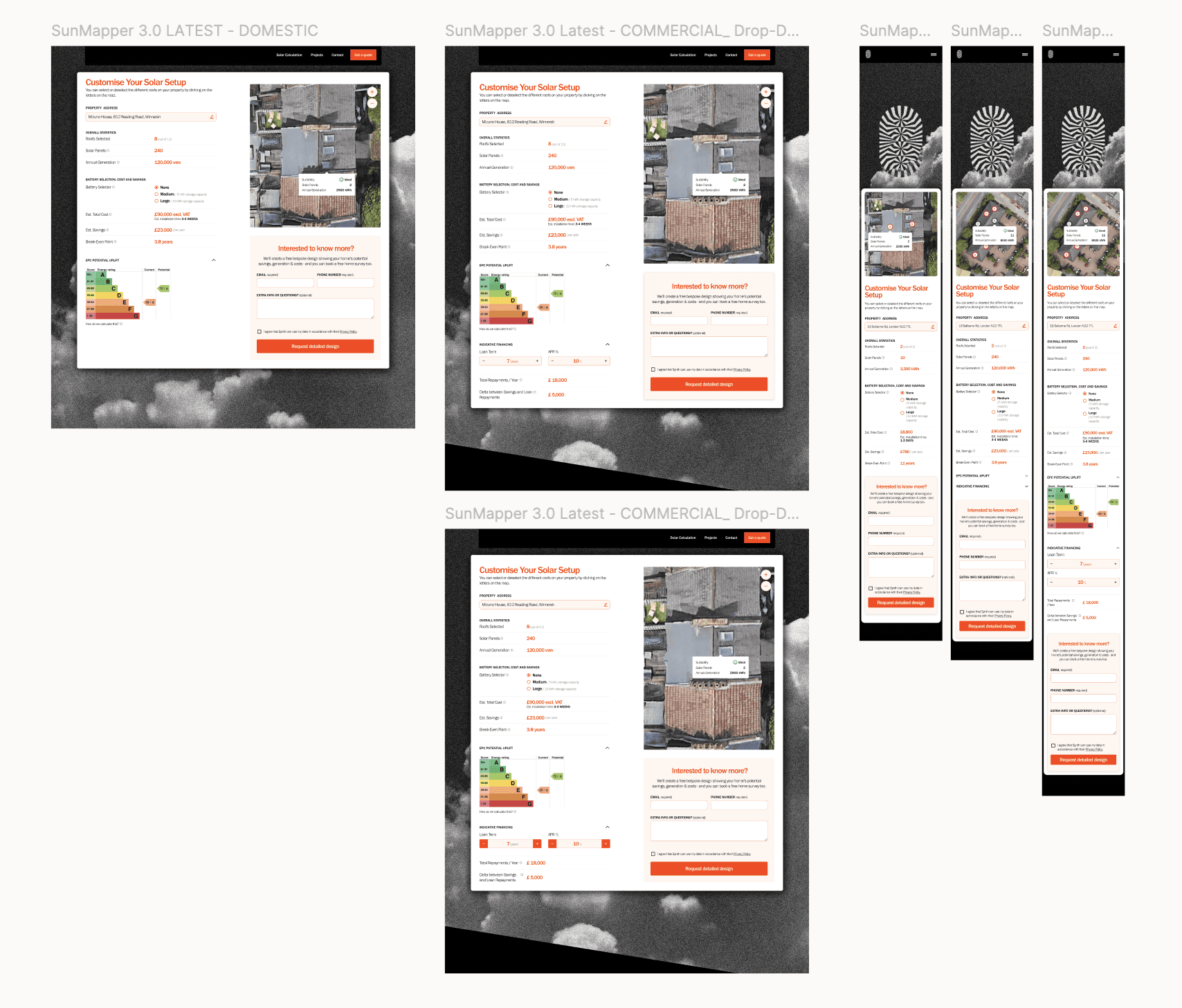
Users and Research Insights Through interviews with homeowners and analysis of existing solar estimation tools, several insights emerged. 1. Clarity beats detail for the early stage user People do not want density, they want a quick answer, followed by the option to learn more. 2. Trust comes from transparency Users respond positively when tools disclose how numbers are calculated and which variables influence the outcome. 3. Personalization increases engagement Estimates that reflect their exact roof, shade, sunlight exposure, and utility costs feel more credible than generic calculators. 4. Friction kills curiosity Forms that ask for phone numbers or personal details too early lead to drop off.
The Experience 1. Entry and Value Proposition The landing page sets expectations immediately, with a single statement that defines the tool: Calculate your solar potential. Instantly find out how much you can generate, save, and spend. 2. Property Input Users enter their address and optionally adjust the roof outline. Messaging guides them calmly through this step, making the tool feel helpful rather than technical. Microcopy explains why location data is needed and how it improves accuracy. 3. Sunlight and Roof Conditions The tool displays modeled sunlight exposure and shading. My job here was to translate technical concepts into approachable language, for example describing annual sunlight as a score with a simple explanation of what influences it. 4. System Recommendations Users receive a suggested panel layout based on their roof and goals. The message framing avoids pressure and instead focuses on personal choice. For example: This setup fits well on your roof and offers strong yearly output. You can adjust the size if your goals or budget differ. 6. Next Steps The tool ends by offering a low friction path forward. If you want exact pricing for your roof, you can request a detailed quote. It is optional and takes about a minute. This balances business needs with user autonomy.